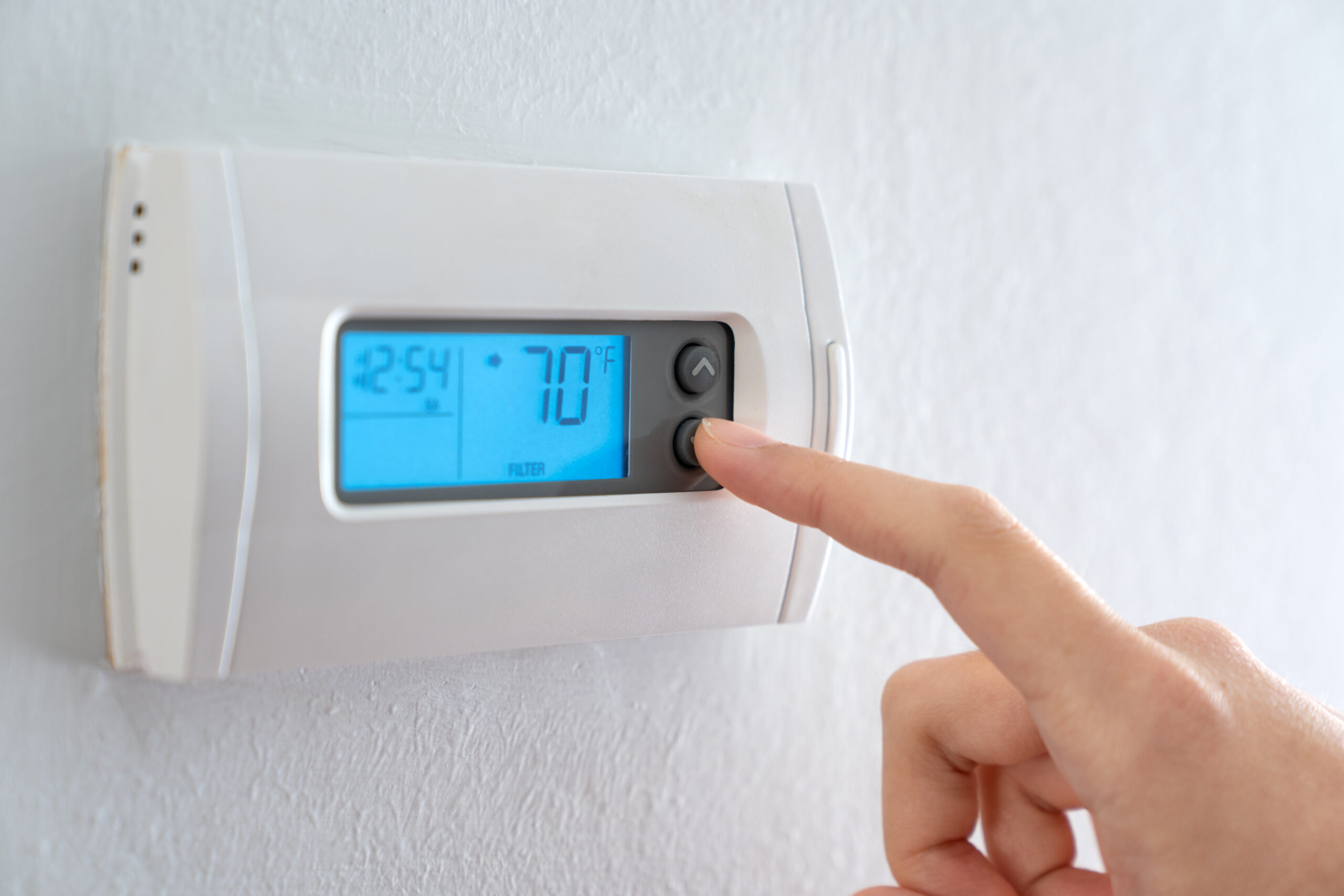
Essential Maintenance Tips for Home Heating Systems
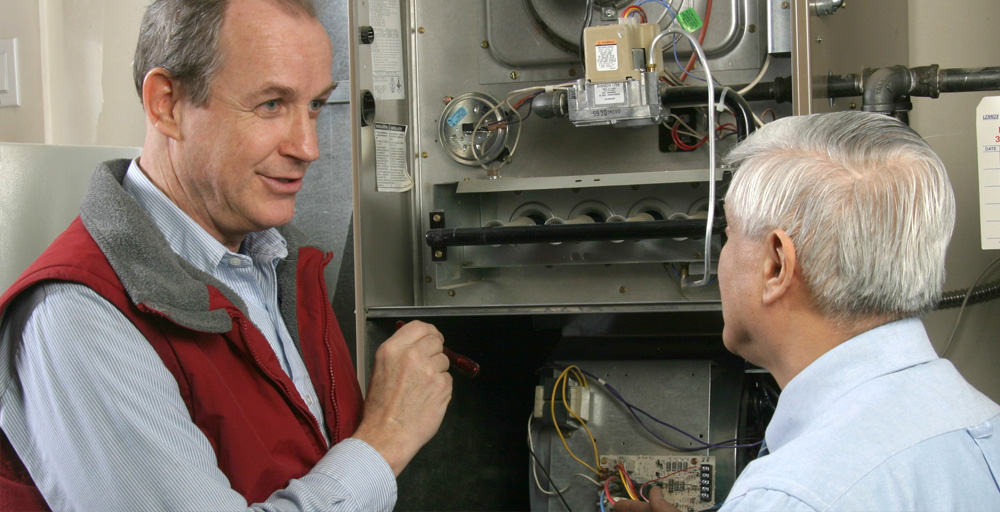
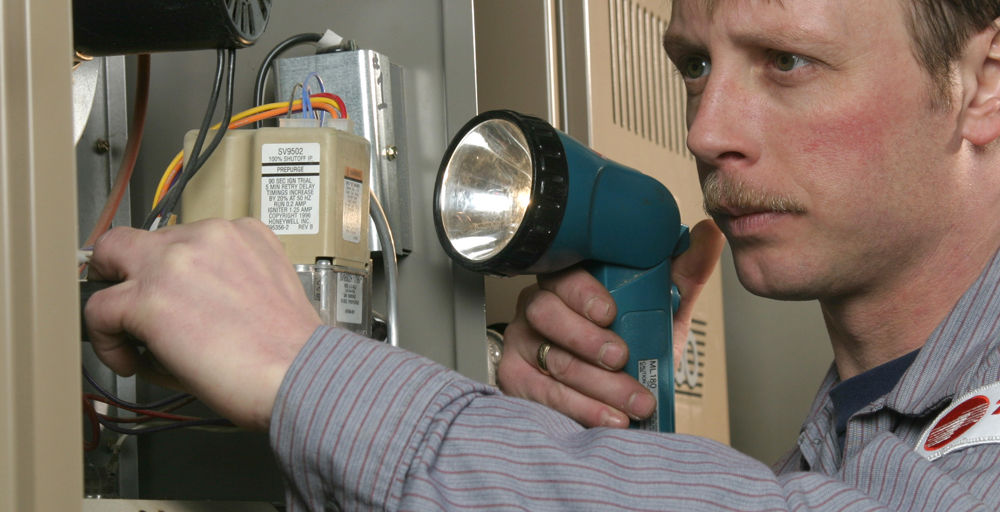
Regular maintenance of your heating system is crucial for ensuring efficiency and longevity. Homeowners should schedule annual inspections and tune-ups to catch potential issues before they escalate into costly repairs.
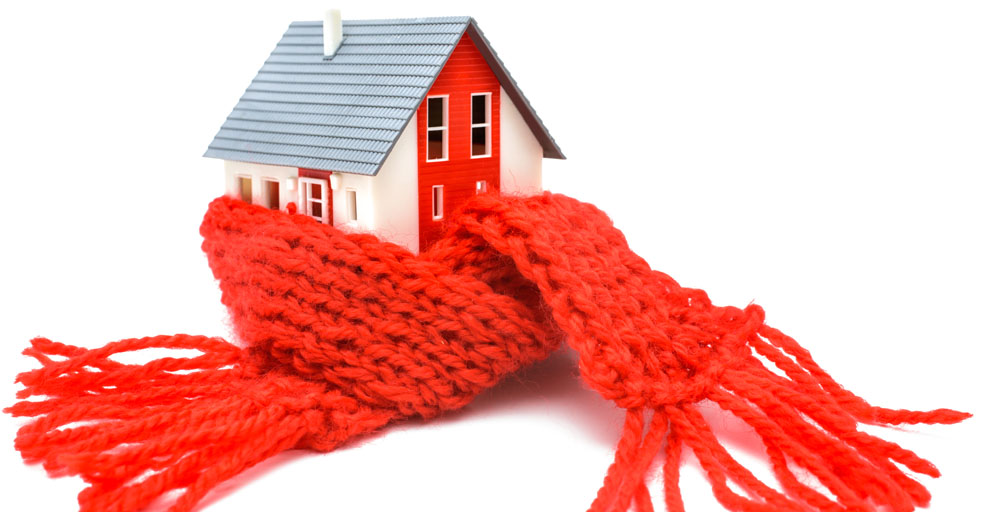
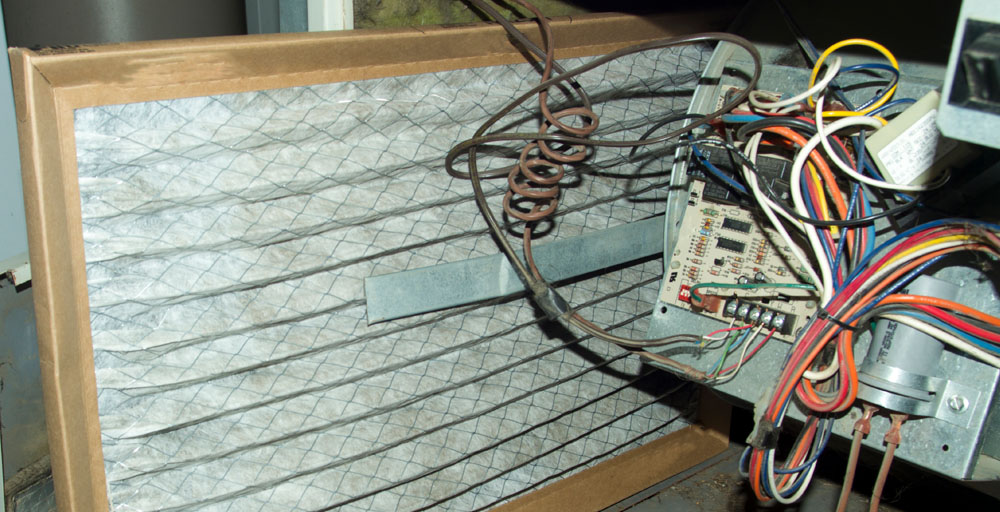
For instance, changing air filters regularly can improve air quality and system performance. Additionally, checking for leaks in ductwork and ensuring proper insulation can significantly reduce energy costs during the colder months in Anchorage and Mat-Su.
Preventative Plumbing Measures for Homeowners
Taking preventative measures can save homeowners from unexpected plumbing emergencies. Simple practices, such as regularly checking for leaks and ensuring proper drainage, can prevent significant water damage and costly repairs.
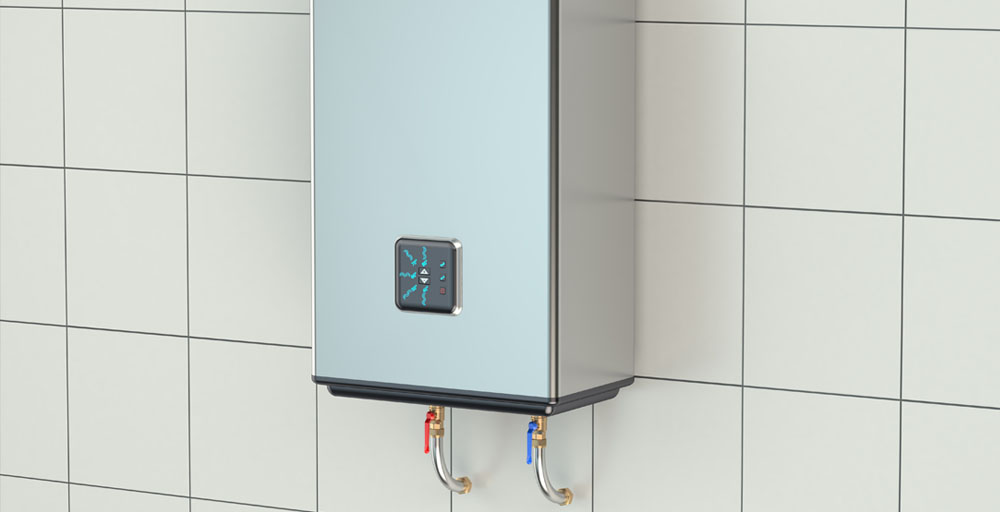
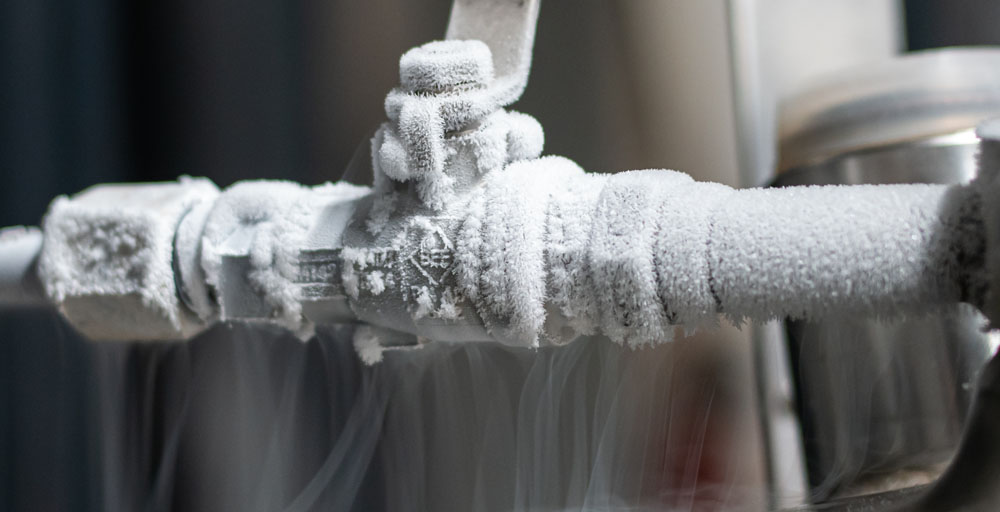
For example, insulating pipes can help prevent freezing during harsh winters, while using drain screens can minimize clogs. Homeowners should also be aware of the signs of plumbing issues, such as low water pressure or discolored water, to address problems promptly.
Understanding Your HVAC System's Seasonal Needs
Each season presents unique challenges for your HVAC system, and understanding these can help maintain efficiency. Transitioning between heating and cooling requires specific adjustments to ensure optimal performance year-round.
For example, homeowners should schedule a professional check-up before the heating season begins to ensure their system is ready for the cold. Similarly, preparing your air conditioning unit for summer by cleaning coils and checking refrigerant levels can prevent breakdowns during peak usage times.
Energy-Saving Strategies for Anchorage and Mat-Su Homes
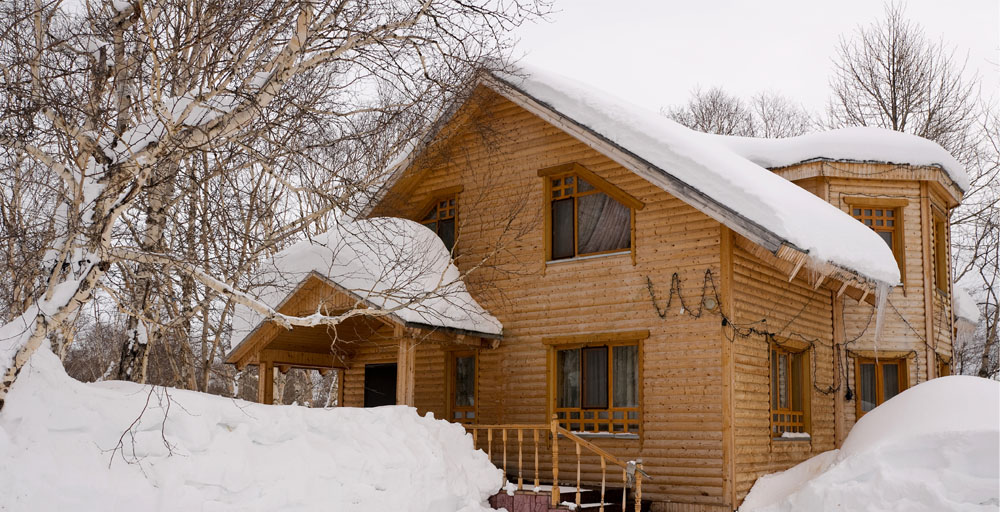
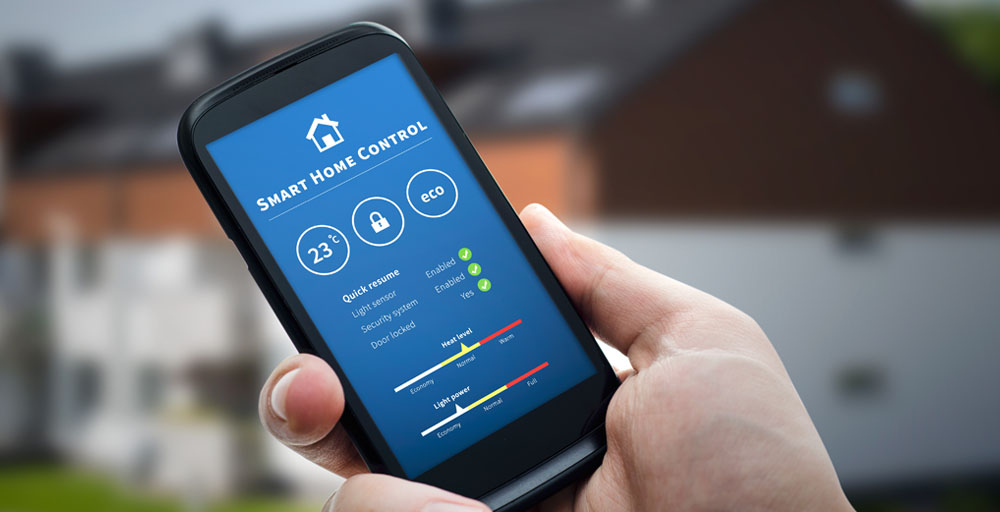
Implementing energy-saving strategies can significantly reduce utility bills, especially in regions with extreme weather conditions like Anchorage and Mat-Su. Homeowners can benefit from utilizing programmable thermostats and energy-efficient appliances.
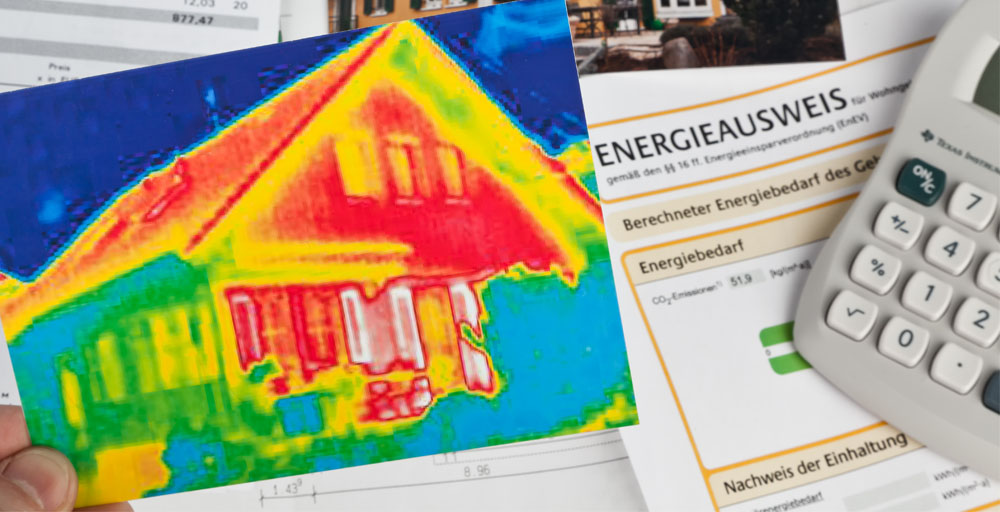
Additionally, sealing windows and doors to prevent drafts and conducting energy audits can help identify areas where energy is being wasted. By making these adjustments, homeowners not only save money but also contribute to a more sustainable environment.