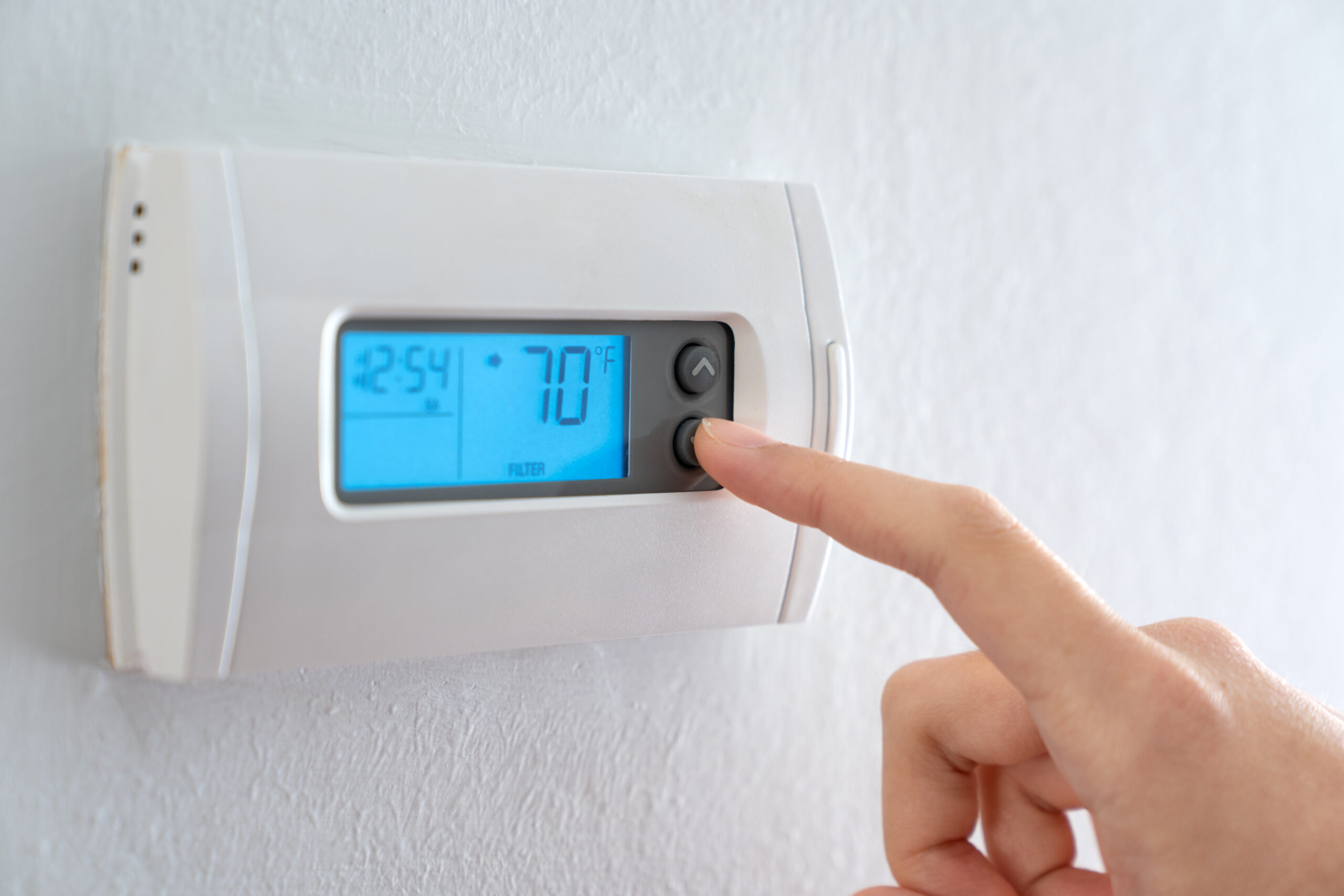
When Should You Turn On Your Heat in Anchorage?
Most Anchorage homes turn the heat on in early-to-mid September, when overnight lows settle into the low
40s and indoor temperatures start dropping below 64°F. There is no prize for holding out longer, and there
is a real argument for turning it on earlier than you think, at least for one evening. Here is how to decide,
what it costs to run heat in the shoulder season, and the one September habit that prevents most October
no-heat calls.
The Simple Rule: Watch Your Indoor Temperature, Not the Calendar
When your home consistently sits below 64°F in the evening and does not recover on its own during the
day, it is time. In Anchorage that usually happens in the first two weeks of September, when average lows
hit 43°F and the first frost nights arrive. Homes with good south-facing sun and tight envelopes stretch a
week or two longer; older or shaded homes get there sooner. The calendar answer people search for is
September, but your thermometer is the honest referee.
Why Holding Out Doesn’t Really Save Money
The endurance contest of sweaters until October 1st saves less than most people expect.
Shoulder-season heating is cheap: your furnace runs a fraction of the hours it will in January, and a few
weeks of light September use is a rounding error on an Alaska winter heating bill. Meanwhile, letting the
house ride cold has costs of its own. Cold interior surfaces plus normal indoor moisture is how you get
condensation and mildew on exterior walls and window frames, a bigger problem in tight Alaska homes
than a few dollars of gas.
The September Test Run (Do This Even If You’re Not Cold Yet)
Here is the habit that prevents most of the emergency calls we run every October: pick a cool evening in
early September and run your heat for 20 to 30 minutes, before you need it. You are checking three things:
- Does it start? Failed igniters and dirty flame sensors announce themselves on the first start of the season. This is the most common no-heat call we see every fall.
- How does it smell? Burning dust for the first few minutes is normal and fades. A burning smell that persists, or anything electrical, is a shut-it-off-and-call situation.
- How does it sound? Booming on ignition, grinding, or repeated short cycles are all September problems that become January emergencies.
If the test run raises any flags, a fall tune-up visit costs far less than the overtime emergency version.
What to Set It To
68°F while you are home and awake is the standard recommendation, and 60 to 65°F overnight or away
suits most households. Two Alaska-specific rules matter more than the exact number. First, never set an
Alaska home below 55°F, even when traveling, because that margin protects your pipes during a cold
snap. Second, avoid big daily swings with boilers and in-floor heat, which respond too slowly for
aggressive setbacks to pay off.
Frequently Asked Questions
Is it bad to turn the heat on and off in the fall?
No. Modern systems handle intermittent shoulder-season use fine. What actually causes trouble is the
opposite: a system that sat idle since April starting its first fire of the year unchecked in mid-October.
Why does my furnace smell when I first turn it on?
A summer’s worth of dust burning off the heat exchanger. It should fade within an hour. A persistent
burning or electrical smell, or any rotten-egg gas odor, means shut it down and call.
What if I turn it on and nothing happens?
Check the thermostat batteries, the furnace switch (it looks like a light switch, often near the unit), and your
breaker panel first. Those three solve a surprising share of “dead furnace” calls. After that, it is technician
territory, and in September you will get a same-week appointment instead of a same-month one.
Should renters and landlords handle this differently?
Landlords: the September test run on every unit is the cheapest insurance you will buy all year. Renters:
report weak or strange-behaving heat in September, while it is a maintenance item and not an emergency.
Turn It On This Week, Then Tell Us What You Heard
Do not wait for the cold to make the decision for you. Pick a cool evening this week, run your heat for 20 to
30 minutes, and pay attention to how it starts, smells, and sounds. If anything about it seems off,
September is the month to deal with it, while you still have your pick of appointments and no one is going
without heat. KLEBS has been keeping Alaskans safe and warm since 1986. Call (907) 365-2500 in
Anchorage or (907) 357-HEAT (4328) in the Mat-Su Valley, or send us a service request online.