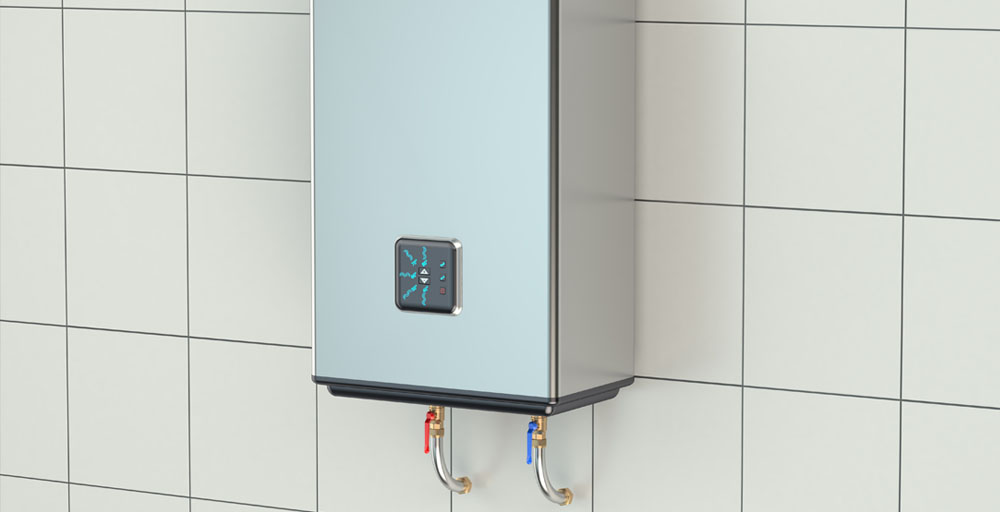
Tankless water heater mounted on a wall, showcasing modern design and control panel, relevant to home heating upgrades and energy efficiency discussions.

How Much Does a Tankless Water Heater Cost in Anchorage? (2026 Guide)

Most Anchorage homeowners pay between $5,000 and $8,000 for a gas condensing tankless water heater installed in place of a tank system, including the unit, labor, venting, and permit. Nationally the 2026 range for comparable high-efficiency units runs $3,300 to $6,000 and up. Alaska sits above the national range because of labor rates, cold climate sizing requirements, and the venting work our winters demand.

If that number surprised you, good. Most of the sticker shock in tankless quotes has nothing to do with the unit on the box at the supply house. It comes from what it takes to install one correctly in a cold climate, and that is exactly what this guide breaks down. After 40 years of installing and servicing water heaters in Southcentral Alaska, we can tell you where every dollar goes, and just as importantly, when a tankless is the wrong purchase.

The Real Numbers: Installed Cost

ProjectNational 2026 installedAnchorage installed
Gas condensing tankless, replacing a tank system$3,300 to $6,000+$5,000 to $8,000
Replacing an existing tankless with a new one$1,800 to $3,500$2,500 to $4,500

Two notes on reading that table honestly. First, every tankless we install is a condensing gas unit. Non-condensing models cost less at the supply house, but in a climate where the unit works as hard as it does here, the efficiency difference pays for itself, so we do not install them. Second, the low end of each range assumes your home already has adequate gas line capacity and a workable venting path. The high-end covers gas line upsizing, new venting through the building envelope, and condensate handling. Nationally, labor accounts for 40 to 55 percent of the total on a standard job, and that share runs higher on retrofits.

Replacement deserves its own line because it is a different job. If you already have a tankless and it has reached the end of its life, swapping in a new unit reuses most of the existing gas, venting, and water connections. That is why replacing a tankless costs thousands less than converting from a tank for the first time.

What Drives the Price Up or Down in Anchorage

Incoming water temperature. This is the single biggest factor people miss, and it is why national sizing advice fails here. A tankless heater is rated by how many gallons per minute it can deliver at a given temperature rise. In much of the Lower 48, incoming water arrives at 50 to 70 degrees. In Anchorage, the water arriving from the utility and into homes averages 38 to 45 degrees year round, which means the unit has to raise the temperature 75 to 80 degrees to give you a hot shower. That workload can cut a unit’s usable flow rate nearly in half. A heater that delivers 9 gallons per minute in Phoenix might give an Anchorage family 4 to 5 here. The practical result: Alaska homes need larger, more powerful units than the national averages assume, and that adds to the equipment cost.

Gas line capacity. Tankless units draw far more fuel than a tank heater when they fire. Many Anchorage homes need the gas line upsized between the meter and the unit, and some need coordination with the utility on meter capacity, especially when the water heater has to share a winter gas load with a furnace or boiler. Gas line work is one of our core plumbing services, so the same licensed KLEBS plumbers who install your unit handle the line and the utility coordination, with no subcontractor in the middle. If your line needs work, it shows up in the estimate, not as a surprise on the invoice.

Venting through the envelope. A gas tankless needs dedicated venting, and in our climate the termination has to be placed and pitched so exhaust and condensate do not create ice problems on the side of your house. This is craft work, and it is where inexperienced installers create the service calls we get in February.

Where the unit goes. Outdoor-mounted tankless units are common in warm states. Do not install one in Alaska. Every unit here belongs inside the heated envelope with freeze protection verified. Any quote that proposes an exterior unit tells you the installer is working from a national playbook, not local experience.

Why We Do Not Install Electric Tankless in Alaska

You may see electric tankless units advertised at attractive prices, and in warm states, they have their place. KLEBS does not install them in Alaska; they cannot create enough hot water for the demand here. With incoming water at 38 to 45 degrees, an electric unit cannot deliver the temperature rise a household needs at a usable flow rate. If your home is all electric, a conventional tank or a heat pump water heater will serve you far better, and we will tell you that in the estimate rather than sell you a unit that will disappoint you every January.

Who Should Not Buy a Tankless Water Heater

You cannot make a good buying decision until someone tells you when the product is wrong. A tankless is a poor fit if:

Your home is heated with a boiler. Many Anchorage homes have hydronic heat. If yours does, an indirect water heater running off your boiler often delivers hot water more efficiently and at a lower installed cost than a standalone tankless. Read our boiler cost guide for how that pairing works, and ask us to price both options.

You need the cheapest fix today. A standard tank replacement costs a fraction of a first-time tankless conversion. If the budget is tight and the tank location works, a quality tank heater is not a consolation prize. It is a sound purchase.

Your household uses little hot water. The efficiency savings of tankless come from avoiding standby losses on water you were not using anyway. A one- or two-person household with modest usage may never recover the conversion premium.

Your gas and venting situation makes the retrofit ugly. Occasionally, the routing required to vent a unit correctly costs more than it is worth. When that is the case in your home, we will say so.

Is a Tankless Worth It Here? The Long View

For the right Anchorage home, yes. A properly sized gas condensing tankless delivers endless hot water, frees up floor space, and typically lasts 15 to 20 years with annual service, compared with 8 to 12 years for a tank. It never dumps 50 gallons on your floor when it fails. Operating savings are real but modest, so the honest case for tankless is comfort, longevity, and space, with efficiency as the bonus rather than the headline.

On incentives: federal tax credit rules for high-efficiency water heaters changed at the end of 2025, so do not trust older articles promising a 30 percent credit. We track what is actually claimable and will tell you during the estimate.

The 40 years matter on this product more than most. Tankless is unforgiving of sizing mistakes and venting shortcuts, and cold-climate installs punish both. The unit brand matters less than the person who calculates your winter temperature rise correctly. KLEBS has been keeping Alaskans safe and warm for 40 years, with licensed and certified plumbers serving Anchorage, Eagle River, Wasilla, and the Mat-Su Valley, and once your unit is in, our KLEBS Care annual cleaning and inspection program keeps it running the way it was sized to run.

Ready for real numbers on your home instead of a range in an article? Call the friendly experts at KLEBS. Anchorage: (907) 365-2500. Mat-Su: (907) 357-HEAT (4328). 24/7 emergency service available.

Learn more about Tankless Water Heater Maintenance here.

Frequently Asked Questions

How much does a tankless water heater cost to install in Anchorage?

Most gas condensing tankless installations in Anchorage run $5,000 to $8,000 all in when replacing a tank system, covering the unit, labor, venting, and permit. Nationally, comparable high-efficiency installs run $3,300 to $6,000 and up, and Alaska prices sit above that due to labor rates and cold-climate sizing.

Is it cheaper to replace an existing tankless than to install one for the first time?

Yes, significantly. Replacement reuses your gas line, venting, and water connections, so it typically runs $2,500 to $4,500 instead of the full conversion cost.

Tankless vs. tank: which costs less?

A tank costs far less up front. A tankless costs less per year of service life and never floods your utility room when it fails. If the lowest upfront cost is the goal, buy the tank.

Are tankless water heaters worth it in Alaska?

For gas-heated homes with real hot water demand, usually yes, provided the unit is sized for Anchorage incoming water that averages 38 to 45 degrees. For boiler homes and all-electric homes, other options often win.

How long does installation take?

A straightforward replacement takes most of a day. A first-time conversion with gas line and venting work typically takes one to two days.
Tankless water heater mounted on a wall, showcasing modern design and control panel, relevant to home heating upgrades and energy efficiency discussions.

Tankless Water Heater Maintenance: What It Costs and What Happens If You Skip It

A professional tankless water heater service in Anchorage costs $175 to $300 and takes about an hour, right in line with the national range of $100 to $250 for a standard flush and inspection in 2026. Plan on once a year for most homes, and know this up front: most manufacturers require documented regular maintenance to keep the heat exchanger warranty valid, which can be a 12 to 15 year warranty on a quality unit. Skipping a $200 service to risk a $2,000 heat exchanger is the most expensive savings in plumbing.

Tankless heaters earned their reputation for lasting 15 to 20 years, roughly twice a tank. That number has fine print, and after 40 years of keeping Alaskans safe and warm across Anchorage, Wasilla, and the Mat-Su Valley, we can tell you the fine print is maintenance. Here is exactly what the service involves, what it costs, when you can do parts of it yourself, and the honest answer on who barely needs it.

What a Professional Tankless Service Includes

An annual tankless service is not a guy glancing at the unit and leaving a sticker. Done right, it covers descaling the heat exchanger by circulating a cleaning solution through the unit to dissolve mineral buildup, cleaning the inlet water filter, cleaning the air intake filter, inspecting the burner and ignition, checking gas pressure, inspecting venting from the unit to the exterior termination, checking the condensate line and neutralizer, and verifying error code history in the unit’s diagnostics.

Two of those items matter more in Alaska than anywhere the national articles are written. Vent terminations here take ice and snow loading, and a partially blocked termination will shut a unit down on the coldest morning of the year, which is precisely when it happens. And condensate lines can freeze if they were routed carelessly. A local service tech checks both because a local service tech has spent Februaries fixing both.

What It Costs: The Real Numbers

ServiceNational 2026Anchorage
Annual flush and inspection$100 to $250$175 to $300
Descale only (DIY pump kit, parts)$80 to $150 one time kitSame, retail
Inlet filter cleaningIncluded in serviceIncluded in service
Neglect repair: heat exchanger replacement$600 to $2,000+Varies by unit, quoted before work begins
Neglect repair: full unit replacement$1,800 to $3,500 installed$2,500 to $4,500

The bottom two rows are the argument. Scale buildup makes the unit work harder to hit temperature, raises your gas bill, throws error codes, and eventually cooks the heat exchanger. Every one of those failures costs multiples of the service that prevents it. See our guide to what a tankless costs installed if you want the full replacement math.

How Often Does Yours Actually Need Service?

The honest answer depends on your water, and this is where Anchorage differs from the national advice.

If you are on Anchorage municipal water, you have soft water, with hardness running around 80 milligrams per liter, which means scale builds slowly. Annual service is still the right rhythm because of the burner, venting, and filter items, but the descaling burden is lighter than what national hard water guidance assumes.

If you are on a private well in Eagle River, Chugiak, or the Mat-Su Valley, your water can carry more hardness and iron than the city supply. Well water homes should treat descaling as strictly annual, and some benefit from every six to nine months or from adding a scale filter or water treatment ahead of the unit. KLEBS handles water quality testing, filtration, and softening in house, so the diagnosis and the fix can come from the same visit. If your unit is throwing temperature fluctuation or flow errors between services, that is scale talking.

A useful rule from four decades of local service calls: the unit tells you. Falling hot water output, longer waits, and error codes between annual visits mean the interval is too long for your water.

What You Can DIY and What You Should Not

Homeowners can reasonably handle two items. Cleaning the inlet water filter takes ten minutes with the manual open, and many owners do it seasonally. Running a descaling flush with a pump kit and food grade descaler is within reach of a handy owner who follows the manufacturer procedure exactly, including isolating the unit with the service valves.

Leave the rest to a licensed tech. Gas pressure checks, burner work, venting inspection, and anything behind the cover on a gas appliance is not a video tutorial project. The failure modes include carbon monoxide, and no amount of savings prices that risk correctly. There is also the paperwork reality: DIY flushes may not satisfy the maintenance documentation your warranty requires. If you DIY the flush, keep dated receipts and records.

When You Can Skip the Service Call

If your tankless is under two years old, on municipal water, and running without a single error code, you are not overdue for anything except putting the first service on the calendar before winter. And if you are still deciding between a tank and a tankless, factor this in honestly. A tank heater needs less annual attention, and that simplicity is a legitimate point in its favor for some households. Our tankless cost guide covers that tradeoff without the sales gloss.

The Alaska Pre Winter Check

Whatever your service schedule, do these before freeze up every year: confirm the exterior vent termination is clear and undamaged, confirm the condensate drain runs and is protected from freezing, and if the unit is in a garage or semi conditioned space, verify its built in freeze protection has power at all times. A tankless with freeze protection still fails if the breaker feeding it gets switched off in a cold snap. We see it every winter.

Annual water heater service pairs naturally with a fall furnace tune up or boiler service. Our KLEBS Care program was built around that visit: every year we make sure your systems are working at peak performance, and members get service discounts, no overtime or weekend charges on emergency calls, emergency work at regular rates, and 10 percent off any parts or repairs needed. Ask us about putting your water heater on the same annual visit. One trip, one calendar reminder, and your whole mechanical room is ready for winter.

Questions about your unit, or ready to get the first service on the books before freeze up? Call the friendly experts at KLEBS. Anchorage: (907) 365-2500. Mat-Su: (907) 357-HEAT (4328). 24/7 emergency service available.

Frequently Asked Questions

How much does tankless water heater maintenance cost?

In Anchorage, plan on $175 to $300 per year for a professional flush and inspection, in line with the national 2026 range of $100 to $250. DIY descale kits run $80 to $150 for the pump setup, reusable in future years.

How often should a tankless water heater be flushed?

Once a year for most homes. On hard well water, every six to nine months. On soft municipal water, annual service still applies for burner, filter, and venting checks even though scale builds slowly.

What happens if you never flush a tankless water heater?

Scale coats the heat exchanger, efficiency drops, error codes appear, and the exchanger eventually fails. Full unit replacement runs $2,500 to $4,500 in Anchorage, and skipped maintenance can void the warranty that would have covered the repair.

Can I service a tankless water heater myself?

You can clean the inlet filter and run a descaling flush if you follow the manufacturer’s procedure exactly. Gas, burner, and venting work belongs with a licensed technician.

How long will a tankless water heater last?

15 to 20 years with regular maintenance is a fair expectation for a quality unit, roughly double a tank heater. Without maintenance, expect years off that number.

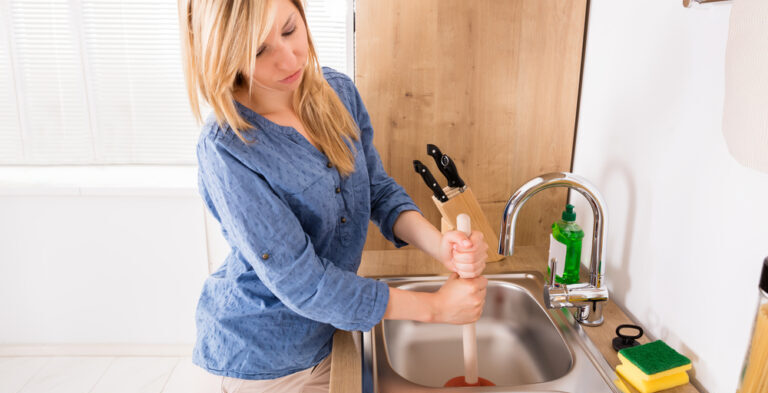
Woman using a plunger to clear a clogged kitchen sink, demonstrating DIY plumbing techniques for homeowners.

How to Clear a Clogged Drain: The Complete Alaska Homeowner’s Guide

Standing in ankle-deep shower water again? Here’s how to clear that clogged drain — fast.

A slow sink, a gurgling tub, water that won’t go down: a clogged drain is one of those
problems that turns a normal morning into a mess in about thirty seconds. The good news
is that most clogs come out with tools and supplies you already have at home, and no
plumber is required.

This guide walks you through every method that works, from the gentlest first try to the
“okay, time to open the pipe” last resort. We’ve ordered them the way we’d tackle them
ourselves, safest and simplest first. We’ll also tell you, honestly, the moment it stops being
a DIY job because we all know, in Alaska, a small clog ignored in winter can turn into a
frozen, cracked pipe in a hurry.

In a hurry? The fastest fix for most kitchen and bathroom clogs is a good old-fashioned
plunger, followed by clearing the P-trap under the sink. Both are covered below. If your
water is backing up into multiple drains at once, skip the DIY and call us. That’s a sign of a
deeper problem.

First, what’s actually clogging your drain?

Knowing what you’re dealing with tells you which method will work — and which will make things worse.

  • Hair and soap scum — the usual culprit in bathroom sinks, tubs, and showers. Responds well to a snake, a plunger, or an enzyme cleaner.
  • Fat, oil, and grease (FOG) — the kitchen-sink killer. It pours in as a liquid, then cools and hardens inside your pipes. Important: hot water and baking-soda tricks only melt FOG enough to move it deeper down the line, where it re-hardens and creates a worse clog later. FOG needs dish soap and hot water, an enzyme cleaner, or professional clearing.
  • Food scraps and coffee grounds that are common in kitchen drains, especially without a disposal. Coffee grounds clump; they should go in the trash or compost, not the sink.
  • Mineral buildup: Alaska’s harder water can leave a scale that narrows pipes over time.
  • A foreign object: a bottle cap, a kid’s toy, a wad of paper towel. No chemical clears this; it has to come out physically.

    If you can identify the cause, jump to the method that fits. If you can’t, start at the top and work down.


7 ways to clear a clogged drain (in the order we’d try them)

  1. Boiling (or very hot) water

    The simplest possible first move. Boil a kettle and pour the water down the drain in two or
    three stages, giving it a few seconds between pours. For grease and soap-based clogs, this
    alone sometimes does the job.
    Two cautions: Don’t use boiling water on PVC or other plastic pipes. It can soften or warp
    the joints. Use hot tap water instead. And remember the FOG rule above: with a grease
    clog, hot water is a temporary loosener, not a cure.

  2. The plunger

    For most kitchen and bathroom sink clogs, the humble plunger is the highest-success, lowest-effort tool you own. Use a flat-bottomed cup plunger for sinks. Fill the basin with a couple of inches of water so the cup seals, block the overflow opening with a wet rag (this is what gives you real suction), and plunge firmly fifteen to twenty times. Keep a separate plunger for sinks and toilets, or clean the toilet plunger thoroughly first.

  3. Baking soda and vinegar (and other pantry mixes)

    The classic natural method. Pour hot water down the drain, then add equal parts baking soda and vinegar, baking soda first. Cover the drain with a plug and let it sit for 20–30 minutes, then flush with more hot water. Worth a frank word here: some plumbers consider this more folklore than science, because the fizzing reaction vents out the open drain instead of pushing on the clog — meaning the hot water may be doing most of the work. It’s gentle and cheap, so it’s fine as an early try, but don’t be surprised if a stubborn clog shrugs it off. A few variations on the same idea:
    • Baking soda and salt, pour equal parts down the drain, wait 20–30 minutes, flush with hot water.
    • Salt, vinegar, and lemon: use equal parts salt and vinegar plus a splash of lemon juice; sit 20–30 minutes, then rinse with hot water.
    • Salt and hot water. Use at least a half-cup of salt followed by hot water; salt’s abrasive, antiseptic action helps scour the pipe.


      Avoid using baking soda in metal pipes. Over time, it can corrode the surface.

  4. A drain snake, auger, or bent wire hanger

    When the clog is solid or sits deeper than a plunger can reach, go mechanical. Straighten a wire coat hanger and bend a small hook on the end to fish out hair and gunk near the opening. For anything deeper, a drain snake or hand auger from the hardware store reaches farther and bends through the pipe. Feed it in slowly, turn it when you hit resistance, and pull the debris back out rather than just pushing it down.

  5. A wet/dry vacuum

    If you own a wet/dry shop vacuum, it can sometimes pull a clog straight out. Set it to “wet,” create a tight seal over the drain opening with the hose (an old plunger head or a rag can help), and turn it on at full suction. Best for clogs that are close to the surface.

  6. Stronger chemical cleaners — carefully

    If the natural methods fail, chemicals are the next step. Always wear rubber gloves and eye protection, work in a well-ventilated space, and never mix products. Critically: do not use these if you’ve already poured baking soda or vinegar down the drain — combining them can trigger a dangerous reaction.
    • Hydrogen peroxide — mix 1 cup with 1 quart of water, pour in, wait 20–30 minutes. Can cause burns; handle with care.
    • Enzyme-based (“green”) cleaners — our preferred chemical option. They use natural enzymes to eat through hair and organic gunk, and they’re gentler on both your pipes and Alaska’s water than caustic products.
    • Store-bought drain cleaners — effective but often contain sodium hydroxide (caustic soda), which produces harsh fumes and can damage pipes over repeated use. Follow the label exactly, and don’t make it a regular habit.

      A standing recommendation: skip the heavy caustic cleaners as a routine fix. They can corrode older pipes — a real concern in Anchorage’s many long-established homes — and a pipe failure costs far more than the clog ever would.

  7. Clear the P-trap

    The last DIY resort, and often the most effective for a truly stuck clog. The P-trap is the U-shaped pipe under your sink, and it’s where objects and gunk love to lodge. Put a bucket underneath to catch water. Use a wrench or channel-lock pliers to loosen the slip nuts at both ends of the trap, remove it, and dump the contents into the bucket. Clear any stubborn debris with an old toothbrush, rinse the trap, and reattach it — snug, but don’t over-tighten. Run water and check for leaks at the joints.


When to stop and call a plumber

DIY has limits, and pushing past them can turn a $150 service call into a flooded floor. Call
a professional if:

  • Multiple drains back up at once (sinks, tub, and toilet together) — this usually
    means a clog in the main line, not a single fixture.
  • Water or sewage comes back up somewhere else when you run a fixture.
  • The same drain clogs again and again — a recurring clog points to an underlying
    problem a snake won’t solve.
  • You smell sewer gas consistently.
  • Nothing above worked, or you’d simply rather not spend your Saturday under the
    sink.
  • It’s winter, and the drain is on an exterior wall. In Alaska, a standing clog plus a
    cold snap is how pipes freeze and crack. Don’t wait it out.

A licensed plumber has cameras to see the blockage, motorized augers that reach the
main line, and the experience to fix the cause, not just the symptom.


How to keep your drains clear (so you’re not back here next month)

The cheapest clog is the one that never forms. A few habits go a long way:

  • Never pour grease, oil, or bacon fat down the kitchen sink. Let it cool and throw it in the trash. This is the single biggest cause of kitchen clogs.
  • Use drain strainers in every sink and tub to catch hair and food scraps.
  • Keep coffee grounds and large food scraps out of the drain, trash or compost them.
  • Flush drains weekly with hot water and once a month with an enzyme cleaner to keep buildup down.
  • Know what your disposal can’t handle: fibrous foods (celery, onion skins), starches (pasta, rice), and pits can defeat it.


Why Anchorage and Mat-Su homeowners call KLEBS

When a clog won’t budge, or you’d rather skip the mess entirely, we’re here. KLEBS has cleared drains across Anchorage, Wasilla, Palmer, and the Mat-Su Valley for 40 years, and our plumbing team handles everything from a single stubborn sink to full main-line clearing, repair, and replacement. We’ll find the real cause, fix it right, and tell you honestly whether it was a one-time clog or
a sign of something bigger. No upselling, no surprises — just a firm quote before we start.


Have a clog you can’t clear?

  • Anchorage: (907) 365-2500
  • Mat-Su: (907) 357-HEAT (4328)
  • 24/7 Emergency Service Available
  • Request service online → service-request form


Frequently Asked Questions


What’s the fastest way to clear a clogged drain?

For most kitchen and bathroom sink clogs, a flat-bottomed plunger is the fastest reliable
fix — seal the overflow opening with a wet rag and plunge firmly fifteen to twenty times. If
that doesn’t work, clearing the P-trap under the sink is the next most effective step.


Does baking soda and vinegar actually unclog drains?

It can help with mild, soap- or grease-based clogs, but it’s gentler than its reputation
suggests — the fizzing reaction largely vents out the open drain rather than forcing the clog
loose, so the hot water you flush with may be doing most of the work. It’s a fine early try,
but a stubborn clog will likely need a plunger, a snake, or a professional. Avoid it in metal
pipes, where baking soda can corrode the surface over time.


Are chemical drain cleaners safe to use?

Use them carefully and sparingly. Always wear gloves and eye protection, work in a
ventilated space, and never mix products or combine them with baking soda and vinegar.
Heavy caustic cleaners (sodium hydroxide) can corrode older pipes over time — a real
concern in Anchorage’s many established homes — so we recommend gentler enzyme-based
cleaners for routine use.


Why does my kitchen sink keep clogging?

The most common cause is fat, oil, and grease (FOG) that pours in as a liquid and hardens
inside the pipe. Hot-water tricks only push it deeper, where it re-hardens. Stop pouring
grease down the drain, use a strainer, and if the clog keeps returning, have a professional
clear the line — a recurring clog usually signals buildup a plunger can’t reach.


Should I be worried about a clogged drain in winter?

In Alaska, yes — especially if the drain is on an exterior wall. A standing clog combined
with a cold snap is one of the most common ways pipes freeze and crack. If you can’t clear
it quickly during cold weather, don’t wait it out; call a plumber.


When should I call a plumber instead of doing it myself?

Call a professional if multiple drains back up at once, if water or sewage comes back up elsewhere, if the same drain clogs repeatedly, if you smell persistent sewer gas, or if you’ve tried the methods above without success. These often point to a main-line problem that home tools can’t fix.


Does KLEBS clear clogged drains in Anchorage and the Mat-Su Valley?

Yes. KLEBS has provided plumbing services across Anchorage, Wasilla, Palmer, and the Mat-Su Valley for 40 years, including drain clearing, main-line augering, and pipe repair and replacement. Call (907) 365-2500 in Anchorage or (907) 357-4328 in Mat-Su, with 24/7 emergency service available.

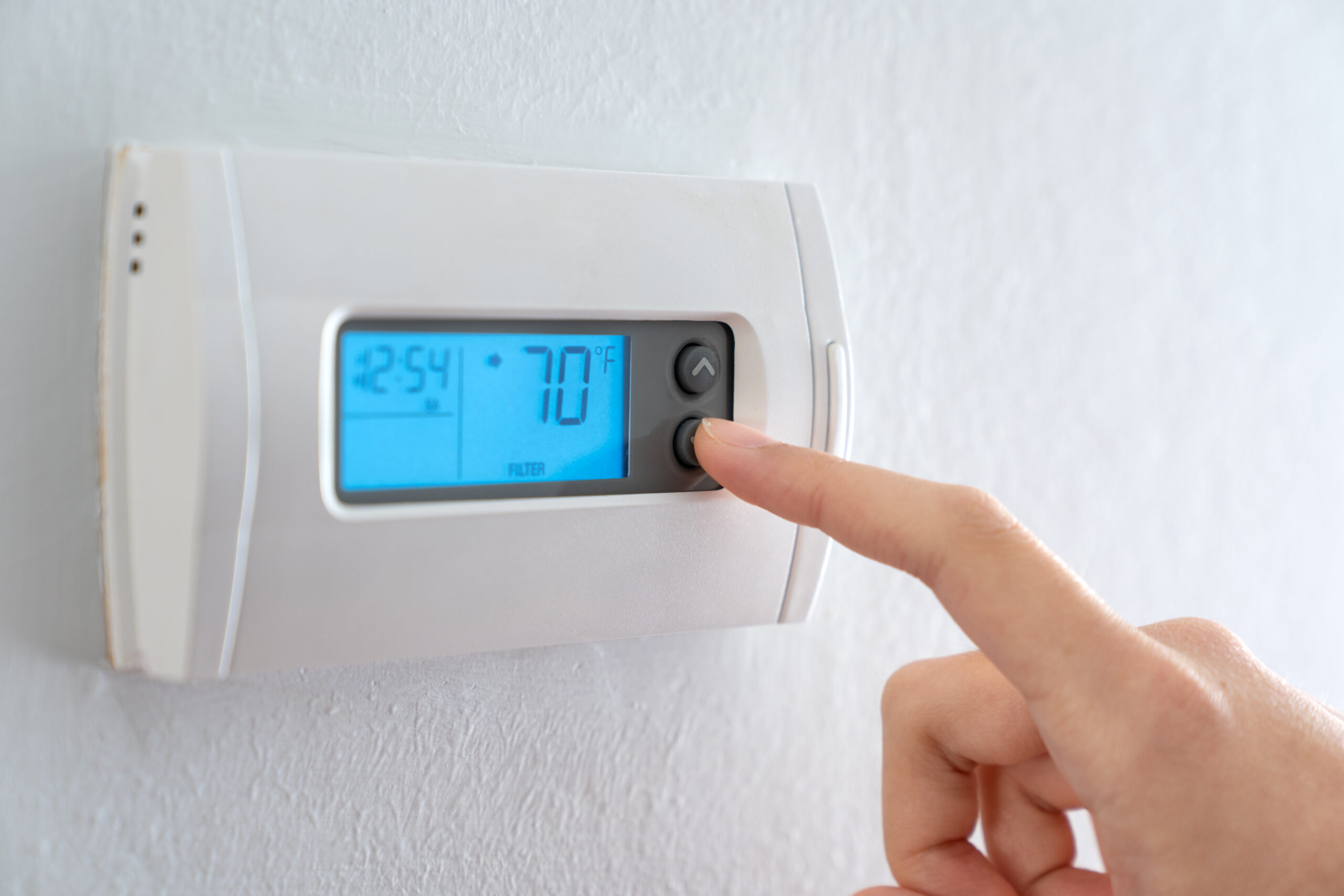
Hand press indoor room thermostat to lower the temp

Is a Furnace Maintenance Plan Worth It? An Answer for Alaska Homeowners

If you own a home in Anchorage or the Mat-Su Valley, you have probably been offered a heating maintenance plan at some point and wondered whether it is a smart buy or just another monthly subscription you do not need. It is a fair question, and most articles dodge it with a vague “maintenance is important!” and a sign-up button.

Here is how to tell whether a furnace or boiler maintenance plan actually pays off, the one factor that matters more in Alaska than almost anywhere else, and why the company you choose to perform the work matters just as much as the plan itself.

What a maintenance plan actually is:

A heating maintenance plan is a yearly agreement. You pay a flat fee, monthly or annual, and in exchange, you get a scheduled annual inspection and cleaning of your heating system, plus a set of member perks that vary by company. The good plans bundle three things: preventive service, protection from emergency-rate gouging, and discounts on repairs.

The cleaning and inspection keep your system running efficiently and catch small problems early. The perks are where the real math lives, and that is where most homeowners under- or overestimate the value.

The case for: where a plan clearly pays off

You avoid the emergency-rate trap.

This is the big one, and it is bigger in Alaska than in most of the rest of the country. When your furnace dies at 20 below on a Sunday night, you are not in a position to shop around. You call whoever can come, and you pay overtime and weekend rates to get them there. A good maintenance plan waives those after-hours premiums for members. A single emergency surcharge can cover an entire year of membership on its own.

You protect your warranty.

Most furnace and boiler manufacturers require documented annual servicing to keep their warranty valid. Skip it, and a major repair that should have been covered comes out of your pocket instead. Homeowners discover this at the worst possible moment, when they file a warranty claim and learn it lapsed years ago.

You spend less time.

A clean, tuned system uses less fuel, which matters when you are heating through a six-month Alaska winter. Add member repair discounts on top, and a maintenance plan often comes out ahead in a normal year, not just the year when something breaks.

You stop thinking about it.

There is a real, if unglamorous, value in never having to remember to schedule maintenance. The company calls you, books the visit, and keeps your system healthy. For a lot of homeowners, that peace of mind is the whole point.

The case against: when you might not need one

A maintenance plan may be redundant if:

  • Your system is brand new and still covered by an installer’s maintenance package.
  • You may already have similar protection, so check before you double-pay.
  • You are genuinely diligent about scheduling annual service yourself and do not
  • mind paying standard per-visit rates. The plan’s convenience is worth less to you.
  • You are planning to replace the system soon. If it is on its last legs, and you will swap it within the year, a fresh plan on the old unit makes less sense than putting that money toward the replacement.

For most Alaska homeowners, though, none of these apply, and the emergency-rate protection alone tips the scales.

The Alaska factor

Here is what makes this calculation different up here. In a mild climate, a furnace failure is uncomfortable. In Anchorage or the Mat-Su, a heating failure in deep winter can mean frozen, burst pipes within hours, turning a repair into a flood-and-rebuild. The downside risk of an unmaintained system is not measured in chilly evenings. It is measured in thousands of dollars of water damage. That risk is exactly what a maintenance plan is designed to shrink.

The part most homeowners overlook: who performs the maintenance

A maintenance plan is only as good as the technician who shows up. This is the factor people forget to weigh, and in Alaska, it may be the most important one of all.

A heating system in Anchorage or the Mat-Su Valley does not work like a heating system in the Lower 48. It runs harder, longer, and through temperatures that punish equipment in ways a technician trained elsewhere simply has not seen. The person inspecting your furnace needs to know how Alaska winters stress a system, what fails first up here, and how to spot the early warning signs specific to this climate. Experience in this market is not a nice-to-have. It is the whole value of the inspection.

That is why the length of a company’s track record matters. KLEBS has kept Alaskans warm for 40 years, since 1986. Four decades of servicing furnaces and boilers through real Alaska winters means our technicians have seen how local systems age, where they tend to fail, and what a small problem in October looks like before it becomes a no-heat emergency in January.

A maintenance plan from a company that has been doing this here, through 40 winters, is worth more than the same plan from a newcomer, because the inspection itself is sharper. When you are deciding who should maintain the one system standing between your family and a frozen house, longevity and local knowledge are not marketing points. They are the point.

How to evaluate any plan (not just ours)

Before you sign anything, ask:

  1. What is actually included in the annual visit, a real cleaning and full safety inspection, or a quick look?
  2. Are emergency overtime and weekend fees waived for members? This is the perk with the most dollar value.
  3. What repair discount do members get, and does it cover plumbing too, or just heating?
  4. Does the plan satisfy your manufacturer’s warranty requirement for documented annual service?
  5. How long has the company served Alaska, and do its technicians know this climate? A plan is only as good as the expertise behind it.
  6. Is there an enrollment fee or contract lock-in, or can you simply pay month-to-month or annually?

A company that answers all six clearly and in your favor is worth considering. One that is vague on the emergency-fee question, or new to servicing Alaska systems, usually is not.

How KLEBS Care measures up

We built KLEBS Care around exactly the factors above.

Membership is $25/month or $300/year for a forced-air furnace, and $30/month or $360/year for a boiler or baseboard system, with no enrollment fee. It includes a full annual cleaning, maintenance, and safety evaluation, no overtime or weekend charges on emergency service no matter when you call, and member discounts on all your heating and plumbing repairs. It is also a documented service that helps keep your manufacturer’s warranty intact.

Most of all, every KLEBS Care inspection is performed by a company that has served Anchorage, Wasilla, Palmer, and the Mat-Su Valley for 40 years. KLEBS Care exists to reward the homeowners who plan ahead, with fewer breakdowns, longer-lasting equipment, and the confidence that the people maintaining their system have seen four decades of Alaska winters.

Want the full breakdown, including the honest “who it is not for”?

See our complete guide: What KLEBS Care Costs and Whether It’s Worth It.

Or talk it through with us directly. Call (907) 365-2500 in Anchorage or (907) 365-2560 in the Mat-Su, and we will tell you honestly whether a plan makes sense for your home.