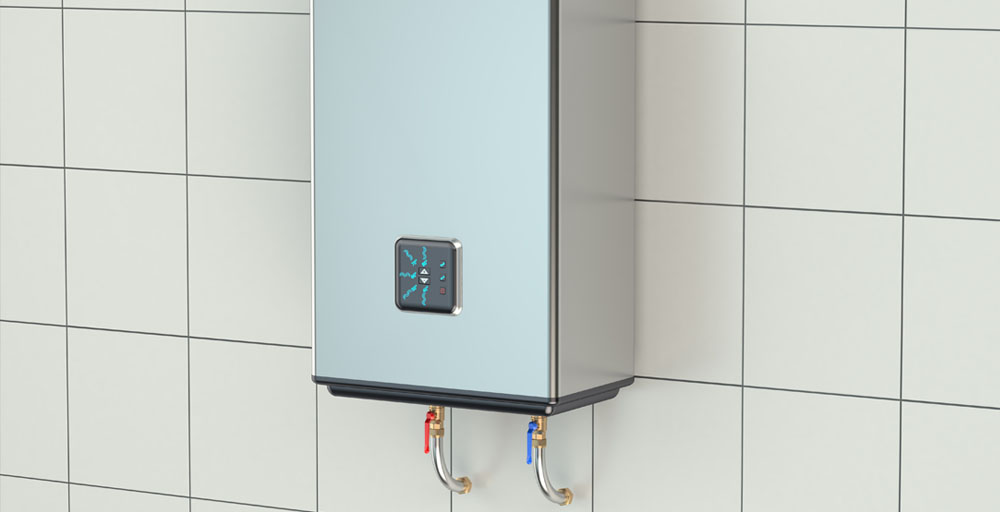
How Much Does a Tankless Water Heater Cost in Anchorage? (2026 Guide)
Most Anchorage homeowners pay between $5,000 and $8,000 for a gas condensing tankless water heater installed in place of a tank system, including the unit, labor, venting, and permit. Nationally the 2026 range for comparable high-efficiency units runs $3,300 to $6,000 and up. Alaska sits above the national range because of labor rates, cold climate sizing requirements, and the venting work our winters demand.
If that number surprised you, good. Most of the sticker shock in tankless quotes has nothing to do with the unit on the box at the supply house. It comes from what it takes to install one correctly in a cold climate, and that is exactly what this guide breaks down. After 40 years of installing and servicing water heaters in Southcentral Alaska, we can tell you where every dollar goes, and just as importantly, when a tankless is the wrong purchase.
The Real Numbers: Installed Cost
| Project | National 2026 installed | Anchorage installed |
| Gas condensing tankless, replacing a tank system | $3,300 to $6,000+ | $5,000 to $8,000 |
| Replacing an existing tankless with a new one | $1,800 to $3,500 | $2,500 to $4,500 |
Two notes on reading that table honestly. First, every tankless we install is a condensing gas unit. Non-condensing models cost less at the supply house, but in a climate where the unit works as hard as it does here, the efficiency difference pays for itself, so we do not install them. Second, the low end of each range assumes your home already has adequate gas line capacity and a workable venting path. The high-end covers gas line upsizing, new venting through the building envelope, and condensate handling. Nationally, labor accounts for 40 to 55 percent of the total on a standard job, and that share runs higher on retrofits.
Replacement deserves its own line because it is a different job. If you already have a tankless and it has reached the end of its life, swapping in a new unit reuses most of the existing gas, venting, and water connections. That is why replacing a tankless costs thousands less than converting from a tank for the first time.
What Drives the Price Up or Down in Anchorage
Incoming water temperature. This is the single biggest factor people miss, and it is why national sizing advice fails here. A tankless heater is rated by how many gallons per minute it can deliver at a given temperature rise. In much of the Lower 48, incoming water arrives at 50 to 70 degrees. In Anchorage, the water arriving from the utility and into homes averages 38 to 45 degrees year round, which means the unit has to raise the temperature 75 to 80 degrees to give you a hot shower. That workload can cut a unit’s usable flow rate nearly in half. A heater that delivers 9 gallons per minute in Phoenix might give an Anchorage family 4 to 5 here. The practical result: Alaska homes need larger, more powerful units than the national averages assume, and that adds to the equipment cost.
Gas line capacity. Tankless units draw far more fuel than a tank heater when they fire. Many Anchorage homes need the gas line upsized between the meter and the unit, and some need coordination with the utility on meter capacity, especially when the water heater has to share a winter gas load with a furnace or boiler. Gas line work is one of our core plumbing services, so the same licensed KLEBS plumbers who install your unit handle the line and the utility coordination, with no subcontractor in the middle. If your line needs work, it shows up in the estimate, not as a surprise on the invoice.
Venting through the envelope. A gas tankless needs dedicated venting, and in our climate the termination has to be placed and pitched so exhaust and condensate do not create ice problems on the side of your house. This is craft work, and it is where inexperienced installers create the service calls we get in February.
Where the unit goes. Outdoor-mounted tankless units are common in warm states. Do not install one in Alaska. Every unit here belongs inside the heated envelope with freeze protection verified. Any quote that proposes an exterior unit tells you the installer is working from a national playbook, not local experience.
Why We Do Not Install Electric Tankless in Alaska
You may see electric tankless units advertised at attractive prices, and in warm states, they have their place. KLEBS does not install them in Alaska; they cannot create enough hot water for the demand here. With incoming water at 38 to 45 degrees, an electric unit cannot deliver the temperature rise a household needs at a usable flow rate. If your home is all electric, a conventional tank or a heat pump water heater will serve you far better, and we will tell you that in the estimate rather than sell you a unit that will disappoint you every January.
Who Should Not Buy a Tankless Water Heater
You cannot make a good buying decision until someone tells you when the product is wrong. A tankless is a poor fit if:
Your home is heated with a boiler. Many Anchorage homes have hydronic heat. If yours does, an indirect water heater running off your boiler often delivers hot water more efficiently and at a lower installed cost than a standalone tankless. Read our boiler cost guide for how that pairing works, and ask us to price both options.
You need the cheapest fix today. A standard tank replacement costs a fraction of a first-time tankless conversion. If the budget is tight and the tank location works, a quality tank heater is not a consolation prize. It is a sound purchase.
Your household uses little hot water. The efficiency savings of tankless come from avoiding standby losses on water you were not using anyway. A one- or two-person household with modest usage may never recover the conversion premium.
Your gas and venting situation makes the retrofit ugly. Occasionally, the routing required to vent a unit correctly costs more than it is worth. When that is the case in your home, we will say so.
Is a Tankless Worth It Here? The Long View
For the right Anchorage home, yes. A properly sized gas condensing tankless delivers endless hot water, frees up floor space, and typically lasts 15 to 20 years with annual service, compared with 8 to 12 years for a tank. It never dumps 50 gallons on your floor when it fails. Operating savings are real but modest, so the honest case for tankless is comfort, longevity, and space, with efficiency as the bonus rather than the headline.
On incentives: federal tax credit rules for high-efficiency water heaters changed at the end of 2025, so do not trust older articles promising a 30 percent credit. We track what is actually claimable and will tell you during the estimate.
The 40 years matter on this product more than most. Tankless is unforgiving of sizing mistakes and venting shortcuts, and cold-climate installs punish both. The unit brand matters less than the person who calculates your winter temperature rise correctly. KLEBS has been keeping Alaskans safe and warm for 40 years, with licensed and certified plumbers serving Anchorage, Eagle River, Wasilla, and the Mat-Su Valley, and once your unit is in, our KLEBS Care annual cleaning and inspection program keeps it running the way it was sized to run.
Ready for real numbers on your home instead of a range in an article? Call the friendly experts at KLEBS. Anchorage: (907) 365-2500. Mat-Su: (907) 357-HEAT (4328). 24/7 emergency service available.
Learn more about Tankless Water Heater Maintenance here.
Frequently Asked Questions
How much does a tankless water heater cost to install in Anchorage?
Most gas condensing tankless installations in Anchorage run $5,000 to $8,000 all in when replacing a tank system, covering the unit, labor, venting, and permit. Nationally, comparable high-efficiency installs run $3,300 to $6,000 and up, and Alaska prices sit above that due to labor rates and cold-climate sizing.
Is it cheaper to replace an existing tankless than to install one for the first time?
Yes, significantly. Replacement reuses your gas line, venting, and water connections, so it typically runs $2,500 to $4,500 instead of the full conversion cost.
Tankless vs. tank: which costs less?
A tank costs far less up front. A tankless costs less per year of service life and never floods your utility room when it fails. If the lowest upfront cost is the goal, buy the tank.
Are tankless water heaters worth it in Alaska?
For gas-heated homes with real hot water demand, usually yes, provided the unit is sized for Anchorage incoming water that averages 38 to 45 degrees. For boiler homes and all-electric homes, other options often win.
How long does installation take?
A straightforward replacement takes most of a day. A first-time conversion with gas line and venting work typically takes one to two days.